 Pirâmide
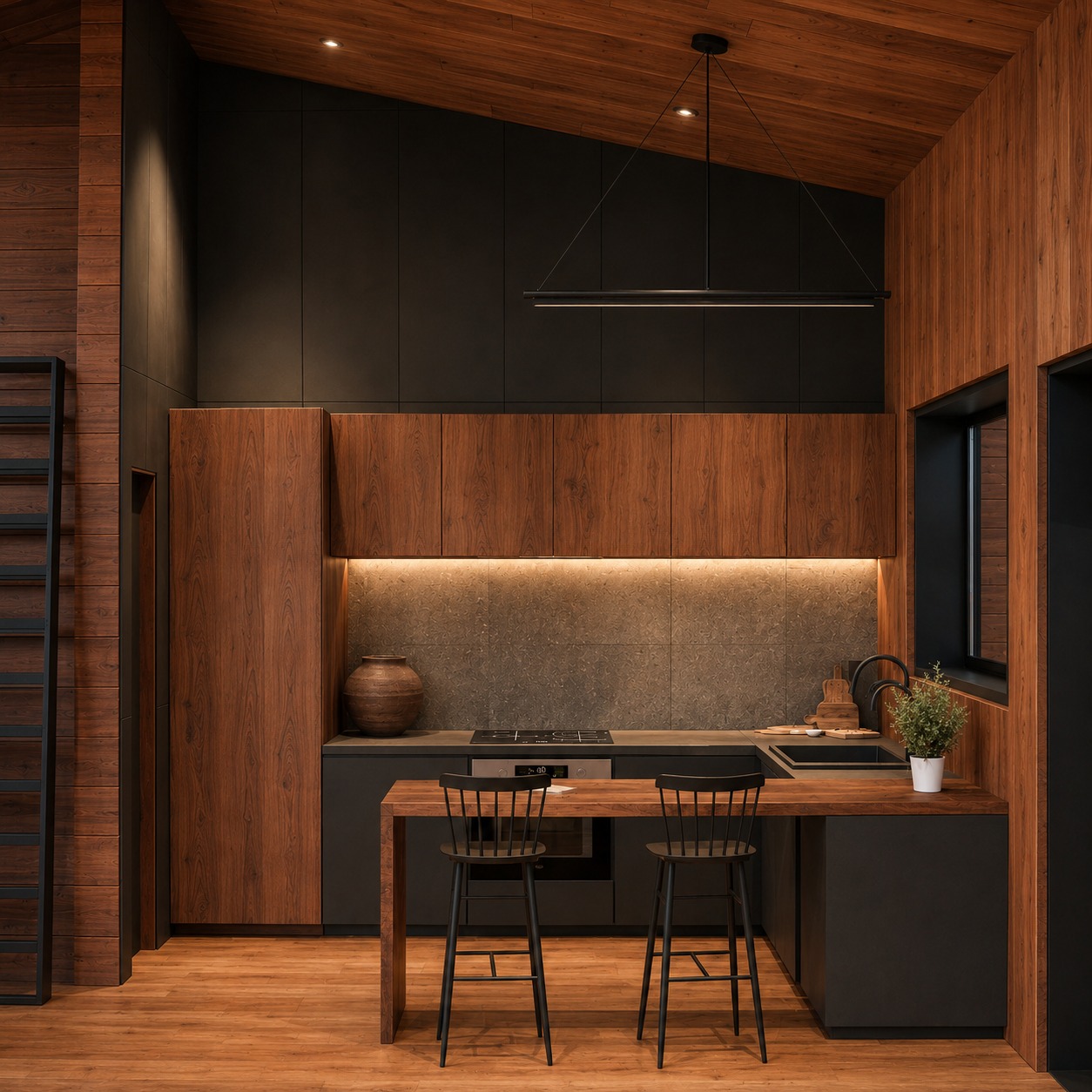
The Advantages of Modular Homes: A Smarter Way to Build and Live
The way we think about housing is evolving. Today, building a home is no longer simply about creating a place to live. It is about designing a space that reflects our lifestyle, respects the environment, and provides comfort for years to come.
Modular construction represents a different approach to this process. By combining architectural design with precision manufacturing and efficient building methods, modular homes offer an attractive alternative to traditional construction.
But what makes modular housing such a compelling choice?
1. Faster Construction Without Compromising Quality
One of the most significant advantages of modular homes is the efficiency of their construction process.
Unlike traditional building methods, where most activities take place directly on-site, modular construction allows substantial portions of a home to be manufactured in a controlled environment.
This approach offers several benefits:
Shorter construction timelines: Different stages of the project can progress simultaneously, reducing the overall building period.
Fewer weather-related interruptions: Factory-based manufacturing is less vulnerable to adverse weather conditions.
More efficient coordination: Standardized processes help reduce delays and improve the organization of construction activities.
While site preparation, foundations, transportation, and final assembly still require careful planning, modular construction can significantly streamline the journey from architectural concept to completed home.
The result is a more efficient building experience, without sacrificing the attention to detail that defines a well-designed residence.
2. Greater Cost Predictability and Financial Control
Building a home is a substantial investment, and maintaining control over expenses is essential.
Traditional construction projects can be affected by unexpected delays, material waste, and changing labor requirements. Modular construction helps address some of these uncertainties through structured planning and more predictable manufacturing processes.
Because many components are produced according to predefined specifications, it becomes easier to estimate material requirements, organize production, and monitor costs.
Key advantages include:
More transparent project planning and budgeting.
Reduced material waste during production.
Greater consistency in manufacturing processes.
Lower exposure to certain on-site delays and unforeseen expenses.
Although the final investment depends on architectural complexity, materials, land conditions, transportation, and installation requirements, modular construction provides a valuable foundation for more informed financial decisions.
A well-planned home should offer confidence not only in its design, but also in the investment behind it.
3. Sustainability Through Smarter Construction
Sustainability has become an essential consideration in contemporary architecture.
Modular homes offer opportunities to reduce the environmental impact of construction by making more efficient use of materials, resources, and production processes.
Manufacturing in a controlled environment allows materials to be measured, cut, and managed with greater precision. This can reduce construction waste and encourage more responsible resource consumption.
Beyond the manufacturing process, modular homes can incorporate sustainable architectural solutions such as:
High-performance thermal insulation.
Energy-efficient glazing and building envelopes.
Passive solar design and natural ventilation.
Renewable energy systems, including solar panels.
Durable materials selected for longevity and reduced maintenance.
These solutions can contribute to improved energy efficiency, lower operating costs, and a more comfortable indoor environment.
However, sustainability ultimately depends on the choices made throughout the project, from material selection and manufacturing to transportation, energy performance, and long-term maintenance.
The objective is not simply to build more efficiently, but to create homes that consume resources more responsibly throughout their lifespan.
4. Architectural Freedom and Personalization
A common misconception is that modular homes are limited to standardized designs or repetitive architectural solutions.
In reality, modular construction can accommodate a wide range of architectural concepts, from compact contemporary residences to sophisticated homes with generous interior spaces and strong connections to the surrounding landscape.
Depending on the construction system and project requirements, homeowners may be able to personalize aspects such as:
Interior layouts and room configurations.
Exterior finishes, materials, and architectural details.
Window placement and natural lighting strategies.
Open-plan living areas and connections to outdoor spaces.
Energy systems, finishes, and interior specifications.
Modular design also encourages careful consideration of how each space will be used.
A living room can be positioned to take advantage of natural light. A kitchen can become the central gathering place of the home. Large glazed openings can establish a seamless visual relationship between interior spaces and the garden.
Rather than restricting creativity, modular construction provides a structured framework within which thoughtful architecture can take shape.
5. Precision Manufacturing and Consistent Quality
Quality is one of the most important factors when choosing a home.
With modular construction, many structural and architectural components are manufactured in controlled facilities, where production conditions can be monitored more consistently than on a conventional building site.
This environment supports:
Greater precision in measurements and assembly.
Consistent manufacturing standards.
Systematic inspections throughout production.
Improved protection of materials during certain construction stages.
More predictable execution of architectural details.
Of course, the quality of the finished home also depends on engineering, appropriate materials, transportation, installation, and final on-site work.
When these elements are properly coordinated, modular construction can deliver the durability, structural integrity, and refined finishes expected from a high-quality contemporary residence.
A modular home is not inherently less permanent or less robust than a traditionally constructed home. Both approaches must meet the applicable structural, safety, and building requirements.
6. Comfort and Energy Efficiency for Everyday Living
A beautiful home should also be comfortable to live in.
Modern modular homes can be designed with particular attention to thermal performance, natural lighting, acoustics, and indoor environmental quality.
Effective insulation, high-performance windows, and carefully detailed building envelopes can help maintain stable indoor temperatures throughout the year.
This translates into practical everyday benefits:
Improved comfort during both summer and winter.
Reduced heating and cooling requirements.
Better control over indoor temperature.
Potential reductions in household energy consumption.
A more pleasant and balanced living environment.
Architectural decisions also play an important role.
The orientation of the building, the positioning of windows, the relationship between indoor and outdoor spaces, and the integration of shading solutions can all influence the home's energy performance.
By considering these elements from the earliest design stages, modular homes can bring together comfort, efficiency, and architectural expression.
7. Adaptability to Different Lifestyles
Our needs change over time, and the spaces we inhabit should be designed with that evolution in mind.
Modular architecture offers opportunities to create homes that respond to different stages of life and changing family requirements.
A compact residence may provide an ideal starting point for a couple. A larger configuration may accommodate a growing family, additional bedrooms, or a dedicated workspace.
Certain modular systems can also support future extensions, provided that structural capacity, technical connections, site conditions, and planning permissions have been considered.
This adaptability encourages a more thoughtful approach to residential design.
Instead of focusing exclusively on immediate requirements, homeowners can explore how their residence might continue to serve them in the future.
8. A More Organized and Transparent Building Experience
The process of building a home should be as carefully considered as the home itself.
Modular construction encourages detailed planning before manufacturing begins. Architectural decisions, materials, technical requirements, and construction stages are typically defined earlier in the process.
This creates opportunities for better coordination between designers, engineers, manufacturers, and installation teams.
For homeowners, this can mean:
A clearer understanding of the project timeline.
More defined construction milestones.
Greater visibility into material and design decisions.
Fewer unexpected changes during production.
A more structured journey from initial concept to completion.
Because design changes can become more difficult once manufacturing begins, early communication and thoughtful decision-making are particularly important.
When managed effectively, this process can make building a home feel more organized, predictable, and collaborative.
9. Long-Term Value Through Thoughtful Design
The value of a home extends beyond its initial construction cost.
Durability, energy efficiency, architectural quality, maintenance requirements, and adaptability all contribute to its long-term appeal.
Modular homes designed with quality materials and sound engineering can provide many of the same long-term benefits associated with traditional residential construction.
Their value comes from the decisions behind them: the quality of the structure, the efficiency of the building envelope, the functionality of the layout, and the ability of the architecture to remain relevant over time.
A carefully designed modular home is therefore more than an alternative construction method.
It is an investment in a living environment created to balance immediate comfort with lasting performance.
Is a Modular Home the Right Choice for You?
Choosing how to build a home is a personal decision.
The ideal solution depends on several factors, including the characteristics of the land, the desired architectural style, the available budget, local planning requirements, and individual lifestyle needs.
Modular construction is not necessarily the best approach for every project. Challenging access conditions, highly unusual architectural configurations, or specific site constraints may require additional technical and financial consideration.
However, for those seeking a combination of efficient construction, design flexibility, energy performance, and predictable project management, modular housing offers a compelling opportunity.
A New Perspective on Modern Living
Modular homes reflect a broader evolution in residential architecture: one that values intelligent planning, responsible use of resources, and spaces designed around the people who inhabit them.
The advantages go beyond faster construction or improved manufacturing efficiency.
They lie in the possibility of creating contemporary homes where comfort, functionality, architectural identity, and long-term quality work together.
At Pirâmide Maiúscula, we believe that a home should respond naturally to its surroundings and to the people who live within it. Through thoughtful design, attention to detail, and a commitment to quality, modular architecture opens new possibilities for residential living.
Considering a modular home for your next project?
Explore our residential concepts and discover how thoughtful architecture can transform your vision into a place to call home
 Pirâmide Maiúscula